949-392-1999

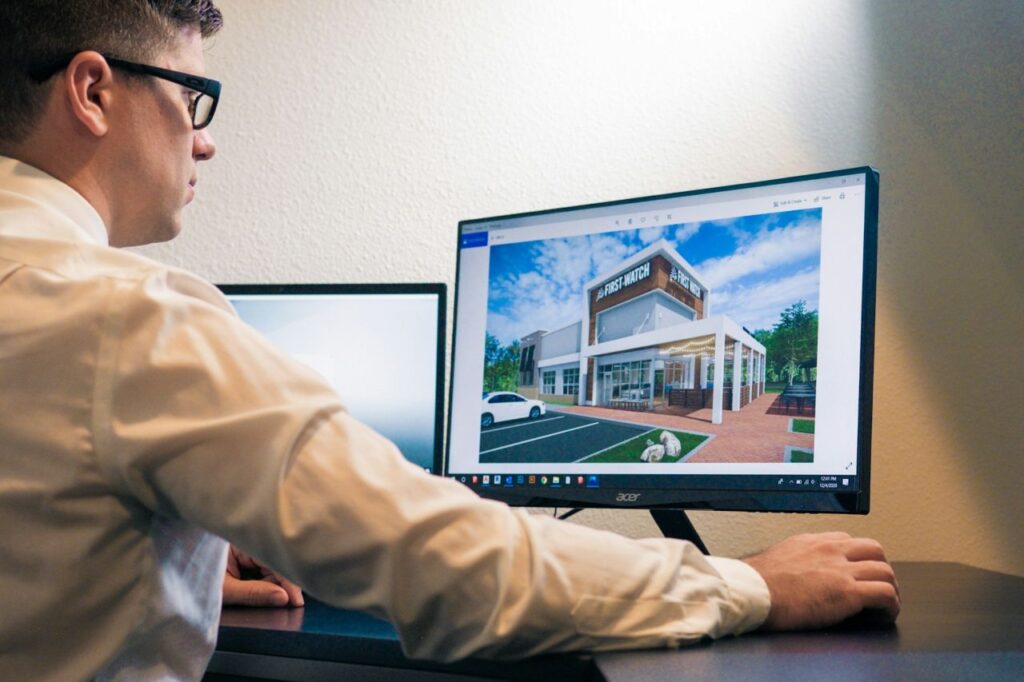
More people are buying property far from where they live. Some move for work. Others look for better schools or lower costs. Thanks to remote jobs and online tools, long-distance real estate investments are easier than before. Still, it takes planning. You need the right strategy, good timing, and the right people. In this article, you’ll get tips for remote relocations that make long-distance investing simpler, safer, and more manageable—whether you’re moving yourself or buying to rent.
Know What You’re Looking For
Start by getting clear on your goal—are you buying for rental income, future resale value, or to live there later? For those approaching retirement, investing to boost cash flow for the future could be a key reason. Each reason leads you to different types of properties and neighborhoods. Choose something that fits your budget and comfort level; for example, a small condo is often easier to manage than an old house that needs repairs. Focus on areas with strong job growth, good schools, and low crime. Use public data to compare average rent, home prices, and neighborhood trends. Avoid guessing based on photos or online hype.
Use Reliable Online Tools for Research
When buying from a distance, online tools are your best friend. Use websites like Zillow, Redfin, and Realtor.com to check home prices, rent trends, and past sales. These sites show property details, local schools, and neighborhood ratings. Google Street View helps you see the area without being there. You can spot things like busy roads, nearby stores, or empty lots. Check city or county websites for taxes, permits, and zoning rules. Local Facebook groups or forums often share honest opinions about schools, safety, or new projects.
Use real estate apps like Zillow and Redfin for property research.
Prepare for Moving and Renting Logistics
Moving and renting out a property from a distance requires careful planning. If you’re relocating from a warmer place like California to a colder climate like Toronto, be sure to pack appropriately for the change in climate. When packing for your move, adjust your wardrobe and gear to suit the new environment. Book movers early, especially for long-distance moves, and get quotes from companies experienced in this area. If renting out, ensure the property is in great condition—clean, functional, and ready for tenants. Take high-quality photos for your listings. Lastly, notify your bank, utility providers, and employer in advance to avoid last-minute issues while managing the move remotely.
Build a Local Team You Can Trust
One of the most helpful tips for remote relocations is to build a strong local team. Start with a trusted real estate agent who understands the area and your goals. A good agent helps spot issues and guide your decisions. Hire a licensed home inspector who gives clear reports with photos so you know what you’re buying. A real estate attorney can help with contracts and closing, even if not required. If you’re renting the property, a property manager handles repairs, tenants, and payments. The right team makes long-distance buying much easier.
Visit When You Can—But Work Remotely When You Can’t
Whenever possible, visit the property in person. Seeing it firsthand helps you get a true feel for the place and the neighborhood. However, if you can’t make the trip, don’t worry. Schedule virtual tours with your real estate agent or ask them to video walk-throughs for you. Request detailed photos and even drone footage if it’s a large property. Technology makes it easier than ever to stay involved without being physically present. A little extra effort upfront can save you from unexpected surprises down the line.
Focus on States with Investor-Friendly Laws
When choosing where to buy, look for states with investor-friendly laws. Some states have lower property taxes, which can save you money over time. Others offer landlord-friendly laws, making it easier to manage rental properties. States like Texas, Florida, and Indiana are often popular for these reasons. Avoid states with slow eviction processes or strict tenant protection laws, which can be costly if issues arise. Research insurance costs, too, especially in areas prone to natural disasters like hurricanes or wildfires.

Calculate the best states by comparing taxes, laws, and insurance costs.
Use Smart Technology to Stay Connected
Smart technology can help you manage your property from anywhere. Install smart locks, cameras, and thermostats to keep an eye on things remotely. These let you monitor access, track energy use, and even check in on tenants. Additionally, you can use tools and apps to manage rent payments and maintenance requests, ensuring you stay on top of everything. Stay connected with your property manager and team through video calls or messaging apps. With the right tech, you can handle many tasks without being physically present, making long-distance management much simpler.
Budgeting Tips for Long-Distance Real Estate Investments
Keeping track of your budget is key when managing a remote investment. Set aside extra funds for unexpected costs like repairs or travel. Remember, closing costs can be higher when you’re not there in person, especially if you need extra services like virtual tours or inspections. Review all fees in the mortgage paperwork carefully to avoid surprises. Use simple tools like budgeting apps or spreadsheets to track expenses, rent payments, and income. Staying organized with your finances helps you maintain control and avoid going over budget.
Learn from Others Who’ve Done It
One of the best ways to succeed with remote real estate is to learn from others. Follow investors who share their experiences, both successes and failures. Look for blogs, podcasts, or YouTube channels where they break down real numbers and strategies. Join online forums like BiggerPockets or Reddit to ask questions and get advice from those who’ve been through it. The more you learn from their mistakes, the fewer you’ll make yourself. Don’t be afraid to reach out and ask for tips—you’ll find a wealth of knowledge from experienced investors.

Ask for tips for remote relocations from more experienced investors.
Keep Your Long-Term Plan in Focus
It’s easy to get distracted by a good deal, but sticking to your long-term plan is crucial. Set clear goals for what you want to achieve with your investment—whether it’s steady rental income, property appreciation, or future resale. Review your plan regularly to make sure it still aligns with market trends and your financial goals. Be patient; real estate is a long-term game. Avoid jumping into new investments until your current property is stable. Staying focused on your goals helps you make smarter decisions and grow your wealth over time.
Wrap Up Your Remote Real Estate Journey
Long-distance real estate investments can seem challenging, but with the right strategies, it’s absolutely possible. By following these tips for remote relocations, you can make informed decisions, stay on top of your investments, and avoid common pitfalls. Remember to research thoroughly, build a reliable local team, and keep an eye on your long-term goals. With careful planning, smart technology, and the right support, your remote real estate investments can be a rewarding venture. Take your time, stay organized, and enjoy the process!
Meta Description: Discover essential tips for remote relocations to successfully manage long-distance real estate investments and make informed decisions.
KW: Tips for Remote Relocations
Photos used:
