949-392-1999

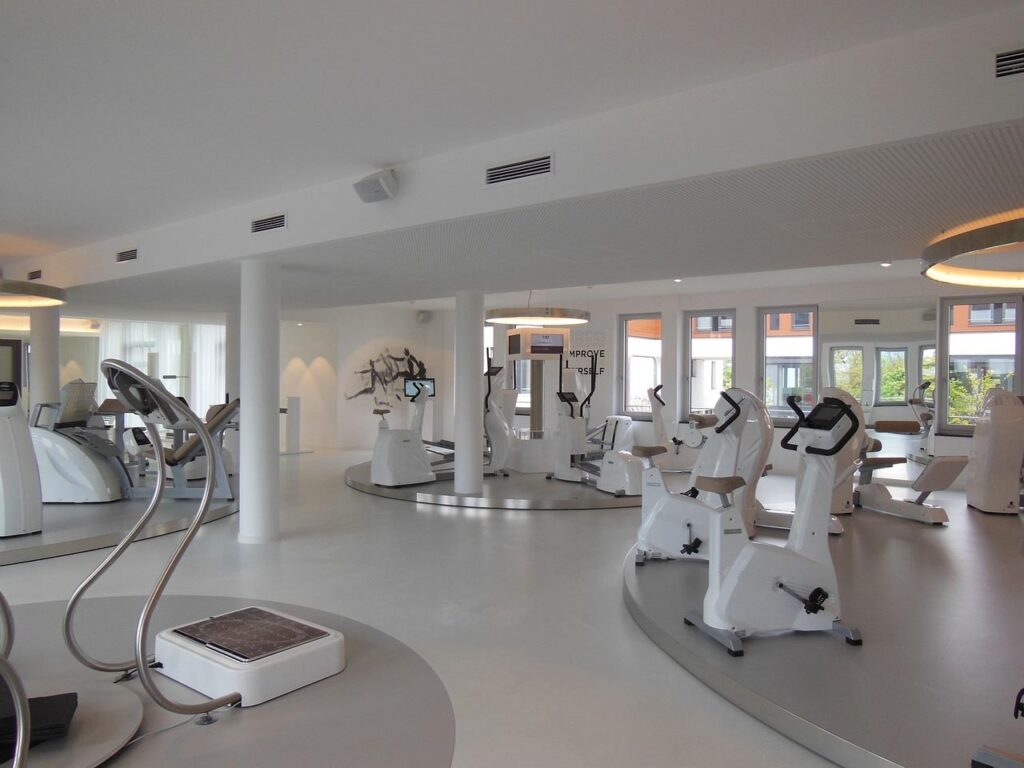
Investing in real estate with intention goes beyond seeking financial returns; it’s about fostering communities that thrive and support the well-being of their residents. Intentional investing requires a deliberate focus on the social, economic, and environmental impacts of real estate projects. When you invest with purpose, you contribute to the creation of spaces that enhance quality of life, promote sustainability, and support communal growth.
Intentional real estate investing involves a meticulous evaluation of potential projects. This includes analyzing how developments will integrate with existing communities, what amenities they will provide, such as wellness centers or physical therapy clinics and how they will address local needs. By shifting the focus from short-term gains to long-term community benefits, you can play a pivotal role in transforming neighborhoods into vibrant, self-sustaining ecosystems.
As you embark on intentional investing, it’s crucial to align your investments with your values and the specific needs of the community. This alignment ensures that your real estate endeavors not only yield financial returns but also contribute positively to society. By prioritizing the well-being of the community, you establish a legacy of meaningful impact that resonates for generations.
The Role of Real Estate in Building Communities
Real estate plays a fundamental role in shaping the social and economic fabric of communities. Beyond providing shelter, real estate developments serve as hubs of activity, commerce, and social interaction. From local cafes to wellness clinics offering access to a skin specialist, these developments can enhance daily life. As you consider your investments, it’s important to recognize how real estate can facilitate connections among residents and foster a sense of belonging.
Community-oriented developments often incorporate mixed-use spaces that integrate residential, commercial, and recreational facilities. This blend encourages diverse interactions and enhances the vibrancy of the area. By investing in projects that prioritize accessibility and inclusivity, you contribute to creating environments where community members can thrive.
Moreover, real estate projects have the potential to address broader societal challenges, such as affordable housing and access to services. By supporting developments that cater to a range of income levels and provide essential amenities, including healthcare facilities that offer services like the IVF procedure, you can help alleviate housing disparities and improve the overall quality of life for residents. In doing so, you promote a sense of equity and fairness within the community.
Benefits of Real Estate Investment for Community Well-Being
Investing in real estate with a focus on community well-being yields numerous benefits that extend beyond financial returns. One of the primary advantages is the enhancement of local economies. Real estate developments generate jobs, both during construction and in the ongoing operation of businesses within the community. This economic activity supports local entrepreneurs and boosts the overall economic health of the area.
Additionally, intentional real estate investments can lead to improved public health outcomes. Developments that prioritize walkability, access to green spaces, and recreational facilities encourage active lifestyles and foster mental well-being. Integrating wellness-focused amenities such as an organic supplements store within these developments can further support residents’ health goals. By creating environments that promote physical activity and community engagement, you contribute to reducing health disparities and increasing life satisfaction among residents.
Furthermore, real estate investments that incorporate sustainable practices contribute to environmental conservation and resilience. Green building technologies, energy-efficient designs, and sustainable landscaping not only minimize the environmental footprint of developments but also create healthier living environments. As a result, you support the long-term sustainability of the community and the planet.
Case Studies: Successful Real Estate Projects that Nurtured Communities
Examining successful real estate projects offers valuable insights into how intentional investments can nurture communities. One notable example is the transformation of Hudson Yards in New York City. This project reimagined a previously underutilized area into a dynamic neighborhood that seamlessly integrates residential, commercial, and cultural spaces. By prioritizing public art installations and community programming, Hudson Yards has become a model for urban revitalization.
Another compelling case study is the development of the EcoDistricts in Portland, Oregon. These neighborhoods are designed with sustainability and community engagement at their core. By incorporating renewable energy systems, green infrastructure, and collaborative governance, EcoDistricts have created thriving communities that prioritize environmental stewardship and social equity.
The revitalization of Detroit’s Midtown district also illustrates the power of intentional real estate investment. Through partnerships with local organizations and a focus on creative placemaking, Midtown has experienced a resurgence that has attracted new residents and businesses. This collaborative approach has resulted in a vibrant, diverse community that continues to flourish.
Strategies for Investing with Intention in Real Estate
To successfully invest with intention in real estate, it’s essential to adopt strategies that align with your goals and values. Start by conducting thorough research to identify communities with growth potential and unmet needs. Engage with local stakeholders, such as community organizations and government agencies, to gain insights into the area’s unique challenges and opportunities.
Consider investing in mixed-use developments that prioritize accessibility, sustainability, and inclusivity. These projects often offer a balanced mix of residential, commercial, and recreational spaces, fostering a sense of community and belonging. By supporting developments that cater to diverse populations, you enhance the social fabric of the area and contribute to its long-term success.
Additionally, embrace sustainable building practices and technologies to minimize the environmental impact of your investments. Implementing energy-efficient designs, renewable energy systems, and green infrastructure not only reduces operational costs but also attracts environmentally conscious tenants and buyers. By prioritizing sustainability, you support the health and resilience of the community and the planet.
The Impact of Sustainable Development on Community Health
Sustainable development in real estate has a profound impact on community health and well-being. By prioritizing environmental sustainability, you contribute to the creation of healthier living environments that promote physical and mental wellness. Green spaces, clean air, and energy-efficient buildings enhance the quality of life for residents and reduce the community’s carbon footprint.
Access to green spaces and recreational facilities is essential for promoting active lifestyles and social interaction. Developments that incorporate parks, walking trails, and outdoor gathering areas encourage residents to engage in physical activity and connect with nature. These elements contribute to lower rates of obesity, stress, and chronic diseases, ultimately improving public health outcomes.
Moreover, sustainable real estate practices promote resilience and adaptability in the face of climate change. By designing developments that can withstand environmental challenges, such as flooding or extreme weather, you ensure the long-term viability of the community. This proactive approach not only protects residents but also supports the economic stability of the area.
Collaborating with Local Stakeholders for Effective Real Estate Development
Successful real estate development requires collaboration with local stakeholders, including community organizations, government agencies, and residents. By engaging with these groups, you gain valuable insights into the community’s needs and priorities, ensuring that your investments align with the area’s goals.
Building strong partnerships with local stakeholders fosters trust and transparency, which are critical for the success of intentional real estate projects. By involving community members in the planning and decision-making processes, you create a sense of ownership and empowerment. This collaborative approach leads to developments that reflect the collective vision and aspirations of the community.
Moreover, collaboration with local stakeholders can unlock additional resources and support for your projects. Government incentives, grants, and partnerships with nonprofit organizations can enhance the feasibility and impact of your investments. By leveraging these opportunities, you contribute to the creation of sustainable, inclusive communities that thrive over the long term.
Financing Options for Intentional Real Estate Investments
Financing intentional real estate investments requires careful consideration of available options that align with your goals and values. Traditional financing sources, such as bank loans and mortgages, remain viable options for many investors. However, exploring alternative financing mechanisms can provide additional flexibility and support for community-focused projects.
Impact investing funds are a growing source of capital for real estate projects that prioritize social and environmental outcomes. These funds are specifically designed to support initiatives that generate positive societal impacts alongside financial returns. By partnering with impact investors, you can access capital that aligns with your mission and amplifies the impact of your investments.
Additionally, public-private partnerships offer opportunities to leverage government resources and support for community-oriented developments. These collaborations can provide access to grants, tax incentives, and other forms of assistance that enhance the feasibility and impact of your projects. By exploring diverse financing options, you ensure the success and sustainability of your intentional real estate investments.
Measuring the Success of Community-Focused Real Estate Projects
Evaluating the success of community-focused real estate projects requires a comprehensive approach that considers both quantitative and qualitative metrics. While financial returns remain important, it’s essential to assess the broader social, economic, and environmental impacts of your investments.
Key performance indicators (KPIs) can be used to measure the success of your projects. These may include metrics such as job creation, affordable housing units developed, energy consumption reductions, and community engagement levels. By tracking these indicators, you gain insights into the tangible benefits your investments generate for the community.
Additionally, gathering feedback from residents and stakeholders provides valuable qualitative data on the project’s impact. Surveys, interviews, and focus groups can reveal how the development has influenced residents’ quality of life, social connections, and overall satisfaction. By incorporating this feedback into your evaluation process, you ensure that your investments continue to align with the community’s needs and aspirations.
Conclusion: The Future of Real Estate Investment and Community Well-Being
Investing with intention in real estate presents a unique opportunity to create lasting positive impacts on communities and the environment. By prioritizing the well-being of residents and the sustainability of the planet, you contribute to the development of thriving, resilient neighborhoods that support diverse populations.
As you consider your real estate investments, remember the importance of aligning your strategies with your values and the needs of the community. By adopting intentional investment practices, you not only achieve financial success but also leave a legacy of meaningful change that resonates for generations.
In conclusion, the future of real estate investment lies in its ability to nurture communities and enhance well-being. As you embark on this journey, embrace the power of collaboration, sustainability, and intentionality to create spaces that inspire and empower. Together, we can build a brighter, more equitable future for all.
