949-392-1999

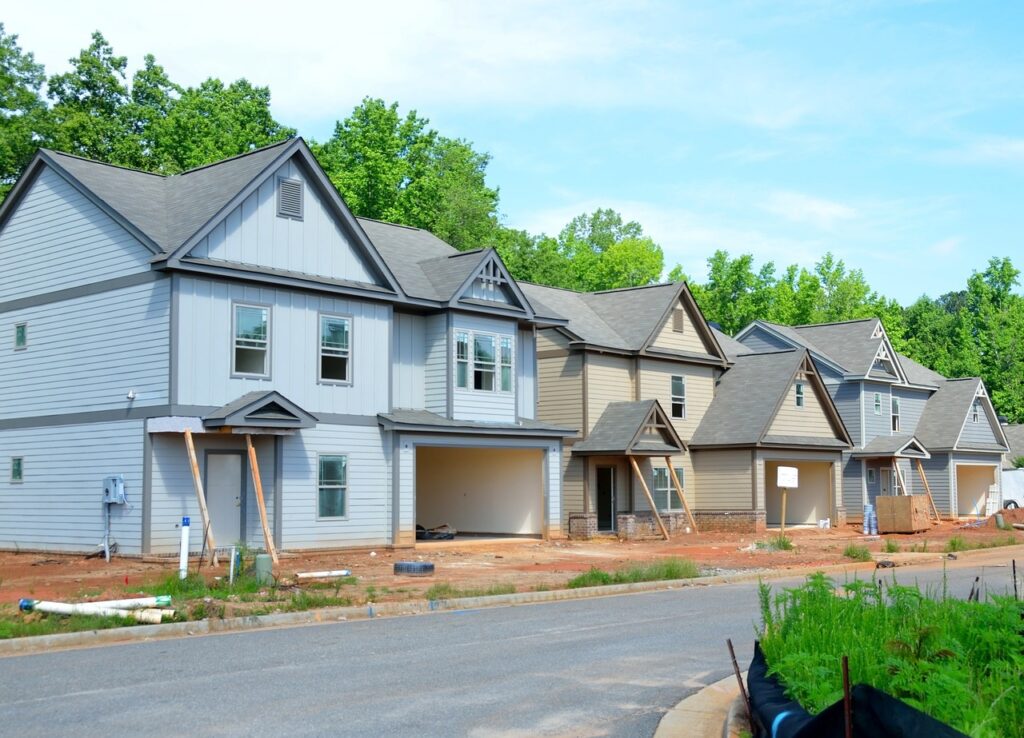
As of late 2025, the real estate landscape is shifting. Rising interest rates, inflation, changing work habits, climate risks, and demographic transitions are all reshaping which markets and property types are most attractive. Below are key trends and “where to buy” opportunities being favored by investors.
Key Macro Trends Shaping Investor Behavior
-
Interest Rates and Credit Costs
Mortgage and financing rates remain elevated compared to recent historical lows. This makes the cost of carry higher and pushes investors to be more selective, especially in markets where appreciation is less certain. LandApp+2abrahamsanieoff.net+2 -
Tight Inventory in Major Metros
In many high-demand metro areas, housing inventory remains low. Homeowners who locked in favorable rates earlier are less likely to move, which reduces turnover. Meanwhile, new construction lags behind in many places. abrahamsanieoff.net+2HAR.com+2 -
Secondary & Emerging Markets Drawing Attention
With affordability pressures in big coastal or tech-heavy cities, investors are shifting toward smaller or mid-sized cities (“second cities”), suburbs, and markets with strong infrastructure, lower cost of entry, and good growth prospects. HAR.com+3Forbes+3swann-realty.com+3 -
Demand for Rental/Build-to-Rent Housing
Rising home prices and interest rates make homeownership out of reach for many, especially younger people. As a result, the market for rental housing remains strong. Build-to-rent (single-family or multi-unit rentals built specifically for leasing) is particularly hot. Forbes+2LandApp+2 -
PropTech, Data & Risk Management
Investors are using more data analytics, AI, and risk modeling—especially around climate risk (floods, storms), insurance exposure, and supply chain constraints. Also, features like virtual tours, smart homes, and eco-friendly or energy-efficient upgrades are increasingly important. Forbes+2MoneyTree Realty+2 -
Sustainability, Green Building, and Climate Resilience
Projects with green credentials (e.g., energy efficiency, renewable energy, sustainable materials) are commanding premium demand. Similarly, geographic risk (flood zones, wildfire risk, hurricane zones) is getting more scrutiny. Forbes+2Retail Investor+2 -
Alternative & Specialized Real Estate Sectors
Properties adjacent to healthcare facilities, data centers, logistics/distribution hubs (“industrial real estate”), and mixed-use developments are showing strong interest. These sectors often have more stable income streams and may be less volatile than residential in some locations. Apex Money Lending+2bentleyproperties.com+2
Where Smart Investors Are Buying: Hot Markets & Asset Types
Based on the above trends, here’s where many investors are deploying capital now:
| Location / Type | Why It’s Attractive | What to Watch Out For / Risk Factors |
|---|---|---|
| Secondary Cities & Suburban Fringe — e.g. mid-sized metros with growing populations, good infrastructure. | Lower entry cost; often less competitive; can offer strong rental demand; spillover growth from larger neighboring metros. Forbes+2bentleyproperties.com+2 | Infrastructure must keep up; risk of overbuilding; some may lack amenities or job growth leading to stagnation. |
| Florida & Sun Belt States | High foreign investment; favorable weather (though also risk); strong migration; lower taxes. swann-realty.com+2Forbes+2 | Exposure to climate risks (storms, flooding); rising insurance costs; regulatory or tax policy changes. |
| Build-to-Rent (BTR) | Predictable cash flows; scaling possible; high demand from those delaying or bypassing homeownership. Forbes+1 | Cap rates, financing costs, and property management complexity; higher upfront costs. |
| Mixed-Use Developments (residential + retail / commercial / amenity) | These meet shifting lifestyle preferences; work-live-play setups are more attractive to many; diversified income streams. bentleyproperties.com+1 | Mixed-use projects have more moving parts: zoning, mixed tenancy, more regulatory complexity. |
| Healthcare-Adjacencies | Steady demand; relative recession resilience; high utilization. Apex Money Lending | High regulatory risk; needs specialized management; maybe higher CAPEX (for infrastructure, compliance, etc.). |
| Industrial / Logistics / Data Centers | E-commerce, AI, cloud computing all push demand; often less sensitive to housing market swings. bentleyproperties.com+1 | Site selection is crucial (power, connectivity, zoning); sometimes longer lease terms needed; obsolescence risk as technology shifts. |
| Vacation & Short‐Term Rentals in High-Tourism / Remote & Nature Areas | Remote work & travel desires make these more attractive; potential for premium nightly rates. swann-realty.com+1 | Regulatory risk (local laws on short-term rentals); seasonality; higher maintenance and management overhead. |
Strategies for Getting Ahead
-
Local Market Intelligence: Because national averages often mask huge variation, knowing your local supply, zoning, job growth, infrastructure plans is crucial. abrahamsanieoff.net+1
-
Risk Assessment: Especially climate risk, insurance cost, and risk from extreme weather. Also interest rate sensitivity (fixed vs variable rate financing).
-
Flexibility in Asset Type: If residential or multifamily seems over-priced or risky, pivoting to specialized sectors (industrial, healthcare, mixed-use) may yield better risk/reward.
-
Focus on Cash Flow vs. Speculation: Given high financing costs, properties that generate reliable rental income and have reasonable cap rates are often safer than hoping for high appreciation.
-
Sustainability & ESG Considerations: Not only meeting buyer/tenant demand, but also because financing/incentives may favor green buildings; non-compliance may lead to regulatory or cost penalties in some areas.
Challenges and Risks to Watch
-
Interest Rate Volatility: Rising or unpredictable rates can erode returns, especially for leveraged investments.
-
Regulatory & Tax Changes: Rental laws, property taxes, local zoning, insurance regulations are in flux in many areas.
-
Climate Change & Natural Disasters: Properties in risk zones may have rising insurance premiums or even be uninsurable in future.
-
Overbuilding in Some Secondary Markets: As investors flood into “undervalued” markets, the risk of oversupply increases.
-
Affordability Crisis Pressure: Cost of living and housing affordability issues may lead some local or state governments to impose stricter rent control or other regulatory constraints.
Bottom Line
Right now, smart real estate investors are:
-
Moving toward smaller, well-positioned markets rather than only the big coastal or tech hubs.
-
Favoring rent-oriented real estate, especially BTR and multifamily, over speculative flips.
-
Investing in specialized assets (industrial, healthcare, data) and mixed‐use developments that hedge against volatility.
-
Paying more attention to sustainability, climate risk, and long-term operating costs, not just purchase price.
Meta Description: Discover the top real estate trends in 2025. Learn where smart investors are buying now—from secondary cities to build-to-rent homes, industrial hubs, and sustainable properties.
