949-392-1999

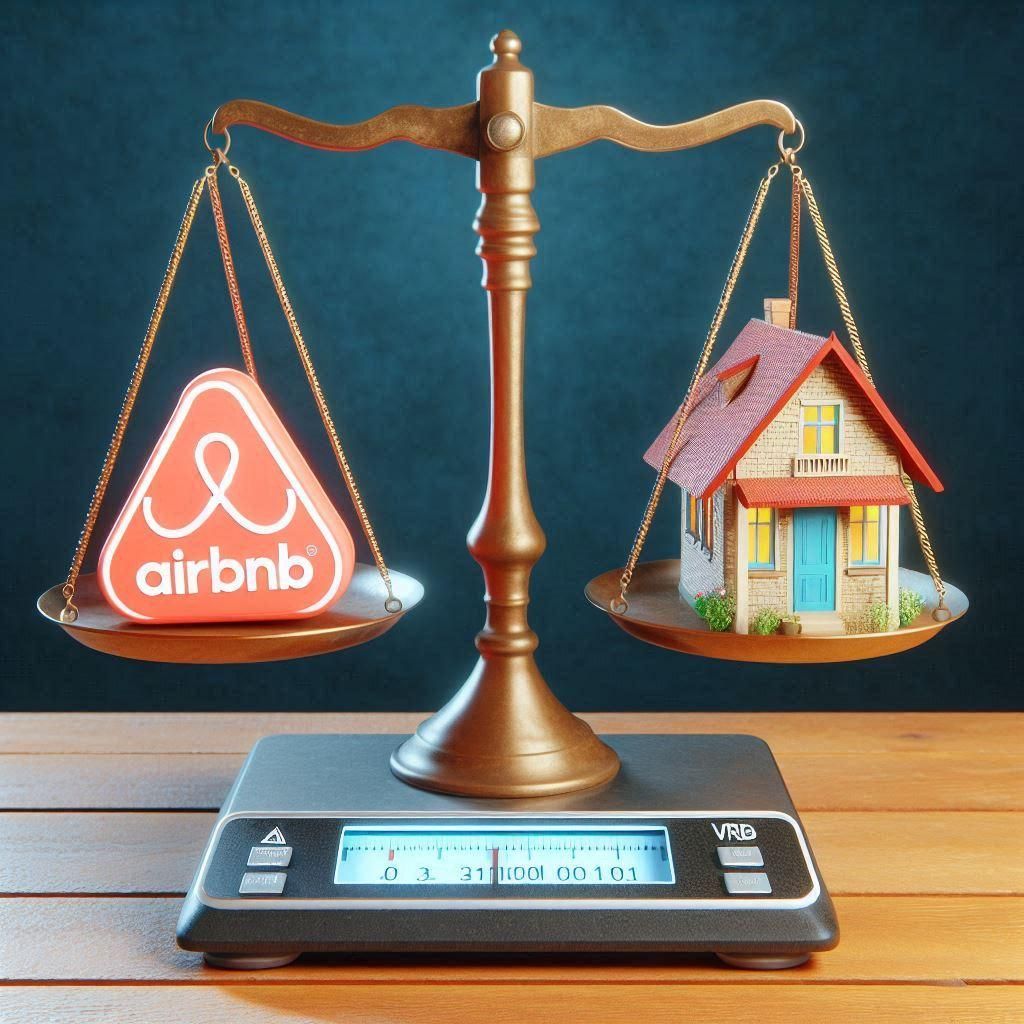 Investing in rental properties is one of the most popular ways to generate steady income and build long-term wealth. But one of the first questions every landlord faces is: Should I rent my property on a short-term or long-term basis? Both strategies can be profitable, but they cater to different markets, require different levels of involvement, and come with distinct advantages and drawbacks.
Below, we break down the pros and cons of short-term and long-term rentals to help you choose the best fit for your investment goals.
Short-Term Rentals
(e.g., Airbnb, VRBO, vacation rentals)
Pros
-
Higher Income Potential per Night
Nightly rates for short-term rentals can be significantly higher than monthly rents, especially in high-demand tourist or business areas. -
Flexibility
You can block off dates for personal use or for maintenance without displacing a tenant. -
Dynamic Pricing Opportunities
You can adjust rates based on seasons, local events, or demand spikes. -
Lower Risk of Problem Tenants
Guests typically stay only a few days or weeks, so you won’t get stuck with a difficult long-term renter.
Cons
-
Higher Management and Maintenance Costs
Frequent turnover means more cleaning, check-ins, and repairs. You may also need to furnish and equip the property. -
Seasonal Income Fluctuations
Demand can be inconsistent, especially in areas with seasonal tourism. -
Stricter Local Regulations
Many cities now have tight rules or outright bans on short-term rentals, and compliance can be costly. -
More Marketing Effort
You’ll need to continually attract guests through online listings, photography, and reviews.
Long-Term Rentals
(e.g., annual leases, month-to-month rentals)
Pros
-
Stable, Predictable Income
Monthly rent provides consistent cash flow without the uncertainty of nightly bookings. -
Lower Turnover Costs
With fewer tenant changes, you’ll spend less on cleaning, repairs, and marketing. -
Easier Financing and Insurance
Lenders and insurers often view long-term rentals as less risky, potentially lowering your costs. -
Less Daily Management
Once a lease is signed, you may only need to interact with tenants occasionally.
Cons
-
Lower Earning Potential per Month
Monthly rent is usually less than what you might earn from nightly rates in a high-demand area. -
Less Flexibility
You can’t easily use the property for personal stays without waiting for the lease to end. -
Risk of Problem Tenants
A bad tenant can cause ongoing stress, legal battles, or property damage. -
Slower to Adjust to Market Changes
Rent is typically locked in for the lease term, even if market rates increase.
Which Is Right for You?
The choice depends on your location, financial goals, and time commitment.
-
Short-term rentals may be best if your property is in a tourist hotspot, you’re willing to manage frequent turnovers, and you want flexibility and potentially higher returns.
-
Long-term rentals may be better if you prefer steady income, minimal day-to-day involvement, and a lower-risk investment.
Many investors even choose a hybrid approach, renting short-term during peak seasons and switching to long-term leases in off-peak months.
Bottom line:
Short-term rentals can deliver higher profits but demand more time, effort, and compliance work. Long-term rentals offer stability and less hassle but generally lower monthly returns. The right choice is the one that aligns with your investment strategy, lifestyle, and tolerance for risk.
Meta Description:
Discover the pros and cons of short-term rentals vs. long-term rentals. Learn which rental strategy offers better income, stability, and fits your investment goals.
