949-392-1999

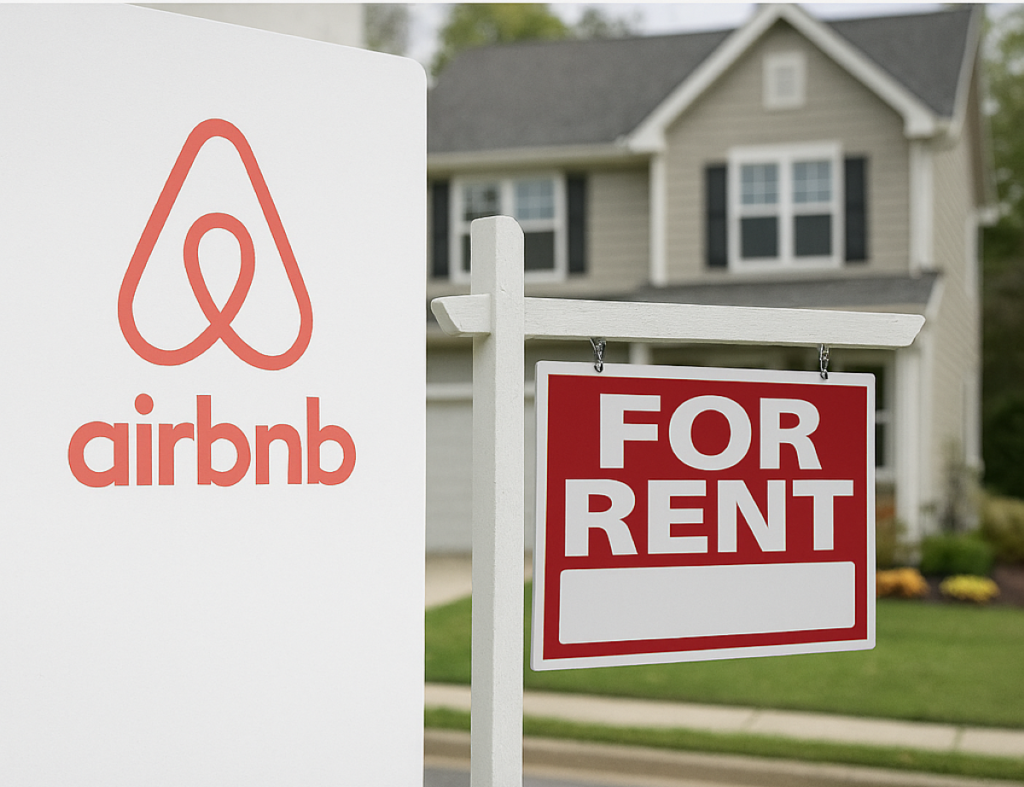
Real estate investors today have more options than ever when it comes to generating income from rental properties. Two of the most common strategies are short-term rentals and long-term rentals. Each approach can be profitable, but the right choice depends on factors such as location, management style, risk tolerance, and investment goals. Understanding the differences between these two strategies can help investors decide which one offers the best return for their situation.
Understanding Short-Term Rentals
Short-term rentals are properties rented for brief stays—typically a few days to a few weeks—through platforms such as Airbnb or other vacation rental services. These properties are often located in tourist destinations, downtown districts, or near attractions where visitors need temporary lodging.
The biggest advantage of short-term rentals is their potential for higher nightly rates. A property that rents for $1,500 per month as a long-term rental might generate $150 to $300 per night as a short-term rental. During peak travel seasons, this can produce significantly higher income than a traditional lease.
Short-term rentals also provide flexibility. Owners can block out time to use the property themselves or adjust pricing based on demand, holidays, or local events.
However, these properties require more active management. Cleaning, guest communication, marketing, and maintenance are ongoing responsibilities. Turnover costs are also higher because the property must be cleaned and reset between guests. In addition, many cities have begun regulating short-term rentals, which can affect profitability.
Understanding Long-Term Rentals
Long-term rentals involve leasing a property to tenants for extended periods, usually six months to a year or longer. This is the traditional rental model used by most real estate investors.
The primary advantage of long-term rentals is stability. Once a tenant signs a lease, the investor receives predictable monthly income without constant marketing or turnover. Property management is generally simpler because there are fewer tenant transitions.
Operating costs are also lower. There are no frequent cleaning services, less advertising, and fewer furnishing expenses since long-term rentals are typically unfurnished.
The downside is that income potential may be lower compared to short-term rentals in high-demand areas. Rent increases are usually limited to market conditions or lease renewals, which means investors have less flexibility in adjusting income quickly.
Comparing Profitability
When it comes to profitability, the answer is not always straightforward. In high-tourism markets, short-term rentals can outperform long-term rentals by a significant margin. For example, a cabin near a national park or a beachfront condo may generate double the income of a traditional lease during peak travel seasons.
However, higher revenue does not always mean higher profit. Short-term rentals have additional expenses such as cleaning fees, furnishing costs, booking platform fees, utilities, and frequent maintenance. Vacancy risk can also be higher during slow travel seasons.
Long-term rentals typically produce more predictable cash flow and lower operational costs. While the gross income may be lower, the consistency and simplicity can lead to strong long-term returns with less effort.
Risk Factors to Consider
Short-term rentals are more sensitive to economic changes and tourism trends. Travel restrictions, seasonal slowdowns, or new local regulations can significantly impact occupancy rates.
Long-term rentals face different risks, such as tenant turnover, non-payment of rent, or eviction processes. However, demand for housing tends to remain relatively stable, making this strategy less dependent on tourism or travel patterns.
Financing and Management Differences
Lenders sometimes view short-term rental income as less stable, which can make financing slightly more complicated. Investors often need to show strong income projections or previous rental performance.
Management style also differs dramatically. Short-term rentals function more like hospitality businesses, requiring guest communication, pricing strategies, and property marketing. Long-term rentals are more passive once tenants are in place, especially if a property manager is involved.
Hybrid Strategies
Some investors use hybrid approaches to capture the best of both worlds. For example, a property might operate as a short-term rental during peak travel seasons and transition to a mid-term or long-term rental during slower months. Others focus on medium-term rentals for traveling nurses, corporate housing, or temporary relocations.
These flexible strategies can help stabilize income while still capturing higher nightly rates when demand is strong.
Which Strategy Is Better?
Ultimately, profitability depends on the property’s location, market demand, and the investor’s willingness to manage the property actively. Short-term rentals often produce higher gross income but require more work and carry greater volatility. Long-term rentals usually deliver steady, predictable cash flow with less day-to-day involvement.
For investors seeking maximum income and willing to run their property like a small hospitality business, short-term rentals may be the better option. For those who prioritize stability and simplicity, long-term rentals remain one of the most reliable paths to building wealth through real estate.
Final Thoughts
Both short-term and long-term rental strategies can be highly profitable when executed correctly. The most successful real estate investors carefully analyze their local market, estimate all operating costs, and choose the strategy that aligns with their financial goals and lifestyle preferences.
In many cases, the best approach is not choosing one strategy over the other—but understanding when each one works best.
META Description:
Short-term rentals and long-term rentals each offer unique advantages for real estate investors. Learn which strategy is more profitable by comparing income potential, expenses, risks, and management requirements.
