949-392-1999

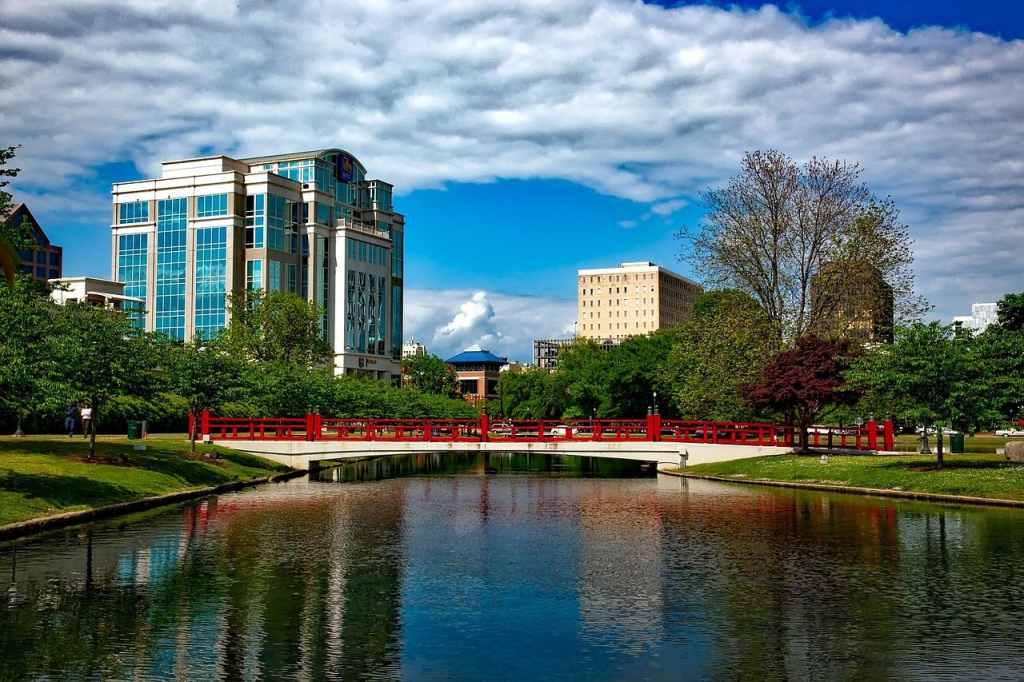
Real estate investors are always searching for the next breakout market—the city that combines job growth, population inflow, affordability, and landlord-friendly policies. While major coastal cities often dominate headlines, the real opportunities frequently emerge in secondary and tertiary markets where prices are still reasonable and growth is accelerating.
Here are some of the top emerging real estate markets to consider this year.
1. Huntsville
Huntsville continues to shine as one of the fastest-growing tech and aerospace hubs in the country. With major employers like NASA’s Marshall Space Flight Center and a growing defense sector, job creation remains strong.
Why it stands out:
• Strong population growth
• High-paying tech and engineering jobs
• Median home prices still below the national average
• Solid rent-to-price ratios
Huntsville offers an appealing mix of appreciation potential and cash flow, especially for buy-and-hold investors.
2. Chattanooga
Chattanooga has quietly transformed into a remote-work haven and tech-friendly city thanks to its municipal gig-speed internet and outdoor lifestyle appeal.
Why investors are watching:
• Inbound migration from higher-cost states
• Revitalized downtown and riverfront development
• Affordable single-family inventory
• Strong short-term rental demand
With Tennessee’s lack of state income tax, Chattanooga remains attractive to both residents and investors.
3. Boise
While Boise experienced rapid appreciation during the pandemic boom, the market has since stabilized, creating renewed buying opportunities.
What makes it compelling:
• Continued population inflow
• Limited housing supply
• Diverse job base
• Strong long-term growth trends
For investors who missed the initial surge, this may be a strategic re-entry point.
4. Raleigh
Part of the Research Triangle region, Raleigh benefits from a strong university presence and a thriving biotech and technology sector.
Investment highlights:
• Consistent job growth
• Strong rental demand
• High quality of life
• Institutional investment interest
Although prices have risen, appreciation fundamentals remain strong.
5. Tampa
Tampa continues to draw relocations from the Northeast and Midwest. Florida’s tax advantages and business-friendly climate are powerful economic drivers.
Why it remains hot:
• Robust population growth
• Tourism and healthcare employment base
• No state income tax
• Expanding infrastructure
While insurance costs are a factor to analyze carefully, Tampa still presents upside in both rental and appreciation plays.
6. Fort Worth
Often overshadowed by Dallas, Fort Worth is rapidly developing its own economic identity.
Why it’s emerging:
• Corporate relocations to Texas
• Large-scale residential development
• Relatively affordable compared to other Texas metros
• Strong job growth
With continued migration into Texas, Fort Worth offers solid long-term fundamentals.
What to Look for in an Emerging Market
No matter the city, smart investors analyze:
• Population growth trends
• Job creation and industry diversity
• Infrastructure expansion
• Landlord-friendly laws
• Price-to-rent ratios
• Supply constraints
Emerging markets often offer the best combination of appreciation potential and sustainable cash flow—especially for investors willing to move beyond their backyard.
Final Thoughts
The best real estate markets aren’t always the ones making the loudest headlines. They’re the cities where economic fundamentals are strengthening quietly but steadily.
By focusing on job growth, inbound migration, and affordability, investors can position themselves ahead of the curve. Whether you’re seeking long-term appreciation, strong cash flow, or a balanced portfolio approach, these emerging markets deserve serious consideration this year.
As always, perform detailed local due diligence, analyze deal numbers conservatively, and invest with a long-term strategy in mind.
META Description: Discover the top emerging real estate markets to invest in this year. Learn why these fast-growing cities offer strong appreciation potential, landlord-friendly laws, and attractive cash flow opportunities for savvy investors.
