949-392-1999

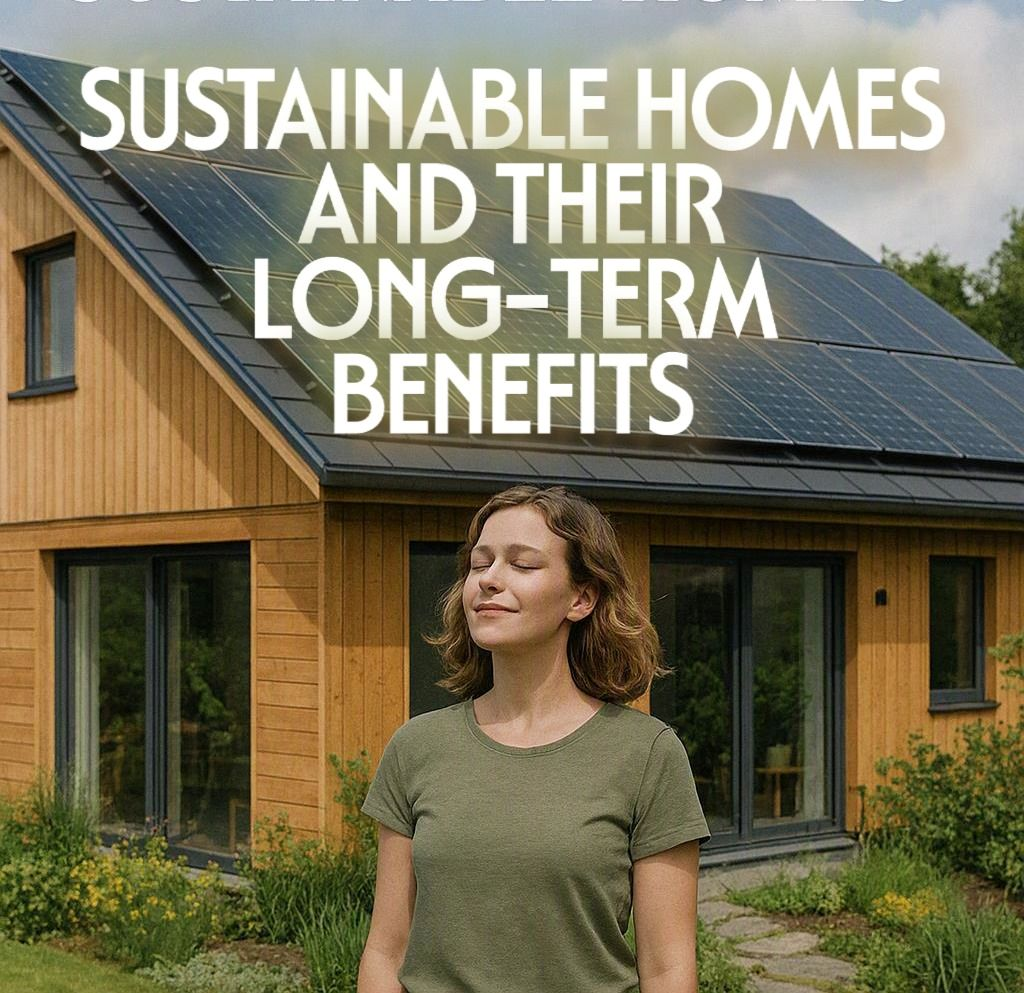
Sustainable homes are designed to minimize the negative impact on the environment while enhancing energy efficiency and promoting the well-being of the occupants. These homes incorporate eco-friendly materials and technologies that reduce carbon footprints and support a healthier lifestyle. By integrating renewable energy sources, like solar panels, and utilizing energy-efficient appliances, sustainable homes represent a significant shift towards responsible living.
A key aspect of sustainable homes is their focus on resource conservation. These homes prioritize the efficient use of water and energy, often employing systems such as rainwater harvesting and greywater recycling. Additionally, the use of sustainable materials, such as bamboo flooring and recycled glass countertops, further contributes to their eco-friendliness. Much like choosing the best facial spa in NYC for quality care and long-term skin health, selecting thoughtful, sustainable features for your home reflects a commitment to well-being and lasting value. This conscious effort to conserve resources not only benefits the environment but also enhances the quality of life for the inhabitants.
Creating a sustainable home involves more than just choosing the right materials or technologies; it requires a holistic approach that integrates design, construction, and lifestyle changes. By fostering an environment that supports natural light, proper ventilation, and thermal comfort, sustainable homes promote healthier living conditions. This well-rounded strategy ensures that sustainable homes are not only environmentally responsible but also comfortable and conducive to long-term health.
Key Features of Eco-Friendly Living
Eco-friendly living is characterized by a set of principles and practices that reduce environmental impact and promote sustainability. One of the main features of eco-friendly living is energy efficiency. This includes using appliances and lighting that consume less electricity, thereby lowering utility bills and reducing greenhouse gas emissions. Energy-efficient homes often feature high-performance insulation, double-glazed windows, and programmable thermostats to maintain a comfortable indoor climate without excessive energy use, even in wellness spaces such as a sauna steam room.
Water conservation is another crucial aspect of eco-friendly living. Implementing low-flow fixtures, dual-flush toilets, and drought-resistant landscaping can significantly reduce water consumption. Many sustainable homes also incorporate systems for collecting and reusing rainwater, further minimizing their environmental footprint. By creating a more balanced and stress-free living environment—where concerns like tension and even stress-related conditions such as alopecia areata feel less overwhelming—eco-friendly living helps preserve vital resources while also reducing utility costs.
Waste reduction and recycling are integral to eco-friendly living. This involves minimizing waste generation through conscious purchasing decisions and recycling materials whenever possible. Sustainable homes often feature composting systems and designated recycling areas, encouraging occupants to engage in environmentally responsible behaviors. By adopting these practices, you can contribute to a cleaner planet and a healthier lifestyle.
Long-Term Health Benefits of Sustainable Homes
Living in a sustainable home offers numerous long-term health benefits that go beyond environmental impact, much like the lasting value people seek from a quality hair transplant. One significant advantage is improved indoor air quality. Sustainable homes utilize non-toxic building materials, such as low-VOC paints and formaldehyde-free insulation, which help reduce indoor air pollution. Enhanced ventilation and air filtration systems further ensure that the air you breathe is clean and free from allergens and pollutants.
In addition to better air quality, sustainable homes promote overall well-being through natural lighting and biophilic design elements. Exposure to natural light has been linked to improved mood, better sleep patterns, and increased productivity. By incorporating large windows, skylights, and open floor plans, sustainable homes maximize the use of natural daylight, creating a bright and inviting living space. Biophilic design, which integrates natural elements like plants and water features, further enhances mental health and well-being.
Sustainable homes also contribute to physical health by encouraging active lifestyles. Many eco-friendly communities feature interconnected walking and biking paths, green spaces, and community gardens that promote outdoor activities. By fostering a connection with nature and providing opportunities for physical exercise, sustainable living environments support a healthier and more balanced lifestyle.
Environmental Impact of Eco-Friendly Living
Eco-friendly living has a profound impact on the environment, helping to mitigate climate change and preserve natural resources. One of the primary environmental benefits is the reduction of greenhouse gas emissions. By utilizing renewable energy sources, such as solar or wind power, sustainable homes significantly decrease their reliance on fossil fuels. This shift not only reduces carbon footprints but also supports the transition to a more sustainable energy future.
Another critical aspect of eco-friendly living is the conservation of natural resources. By implementing water-saving technologies and sustainable landscaping practices, sustainable homes reduce water usage and alleviate pressure on local water supplies. Additionally, the use of recycled and responsibly sourced materials in construction helps preserve natural habitats and reduce the demand for virgin resources. These efforts collectively contribute to a more sustainable and resilient ecosystem.
Eco-friendly living also promotes biodiversity and ecosystem health. Sustainable homes are often designed to coexist harmoniously with their natural surroundings, incorporating native plants and wildlife-friendly features. By preserving and enhancing local habitats, sustainable living helps support diverse ecosystems and the species that depend on them. This holistic approach to environmental stewardship ensures a healthier planet for future generations.
Financial Advantages of Sustainable Homes
Investing in a sustainable home can lead to significant financial benefits over time. One of the most notable advantages is the reduction in utility bills. Energy-efficient appliances, high-performance insulation, and renewable energy systems can substantially decrease electricity and heating costs. This not only results in immediate savings but also protects against future energy price fluctuations.
Sustainable homes often have higher resale values due to their modern features and eco-friendly design. As more people become aware of the importance of sustainability, the demand for environmentally responsible homes is expected to rise. This increased demand can translate into higher property values and a more attractive return on investment for homeowners.
Additionally, sustainable homes may offer tax incentives and rebates that can offset initial construction or renovation costs. Many governments provide financial incentives for energy-efficient upgrades, renewable energy installations, and water conservation measures. By taking advantage of these programs, you can reduce the overall cost of transitioning to a sustainable home while reaping long-term financial rewards.
Sustainable Home Design and Construction
Designing and constructing a sustainable home involves a comprehensive approach that integrates eco-friendly principles from the ground up. One of the critical elements is site selection and orientation, which considers factors such as sun exposure, prevailing winds, and natural landscape features. By strategically positioning the home to maximize passive solar gain and natural ventilation, you can enhance energy efficiency and comfort.
Material selection is another crucial aspect of sustainable home design. Choosing sustainable materials, such as reclaimed wood, bamboo, and recycled metal, helps reduce the environmental impact of construction. Additionally, using locally sourced materials can minimize transportation emissions and support local economies. By prioritizing durability and low maintenance, you can create a home that is both environmentally responsible and cost-effective.
Incorporating sustainable technologies and systems is essential for achieving a truly eco-friendly home. This includes installing energy-efficient appliances, solar panels, and advanced home automation systems that optimize energy use. Water-saving technologies, such as low-flow fixtures and rainwater harvesting systems, further enhance sustainability. By integrating these features, you can create a home that not only reduces its environmental footprint but also provides a comfortable and healthy living environment.
Common Misconceptions about Sustainable Living
Despite the numerous benefits of sustainable living, several misconceptions persist that may deter individuals from embracing this lifestyle. One common misconception is that sustainable homes are prohibitively expensive. While the initial cost of eco-friendly technologies and materials may be higher, the long-term savings on utility bills and maintenance can offset these expenses. Furthermore, government incentives and rebates can help reduce upfront costs, making sustainable living more accessible.
Another misconception is that sustainable living requires significant lifestyle sacrifices. In reality, sustainable homes are designed to enhance comfort and convenience while promoting eco-friendly practices. Advanced home automation systems and energy-efficient appliances make it easy to maintain a sustainable lifestyle without compromising on modern amenities. By adopting simple habits, such as recycling and conserving water, you can contribute to sustainability without major lifestyle changes.
Some people believe that sustainable living is only for individuals with a strong environmental commitment. However, sustainable living offers benefits that extend beyond environmental impact, including improved health, financial savings, and increased property value. By focusing on these advantages, you can appreciate the broader appeal of sustainable living and its potential to enhance quality of life for everyone.
How to Transition to a Sustainable Home
Transitioning to a sustainable home involves a series of steps that can be tailored to your specific needs and budget. Start by assessing your current home’s energy and water usage to identify areas for improvement. Simple upgrades, such as replacing incandescent bulbs with LED lighting or installing a programmable thermostat, can have an immediate impact on energy efficiency and cost savings.
Consider conducting an energy audit to gain a comprehensive understanding of your home’s performance. This assessment can help you identify opportunities for more extensive upgrades, such as adding insulation, sealing air leaks, or installing solar panels. By prioritizing these improvements, you can gradually enhance your home’s sustainability and reduce its environmental footprint.
Engage with professionals who specialize in sustainable design and construction to guide you through the process. These experts can provide valuable insights and recommendations tailored to your specific goals and budget. By collaborating with knowledgeable professionals, you can ensure a smooth transition to a sustainable home that meets your needs and supports a healthier, more eco-friendly lifestyle.
Conclusion: The Future of Eco-Friendly Living
As awareness of environmental issues continues to grow, the demand for sustainable homes and eco-friendly living practices is expected to increase. The long-term health benefits, environmental impact, and financial advantages of sustainable living make it an attractive option for individuals and communities alike. By embracing sustainable homes, you can contribute to a more sustainable future while enhancing your quality of life.
META Statement
As awareness of environmental issues grows, the demand for sustainable homes and eco-friendly living practices is expected to increase. Smart investors who embrace sustainable homes can not only benefit by contributing to a more sustainable future but can also significantly boost their bottom line.
